
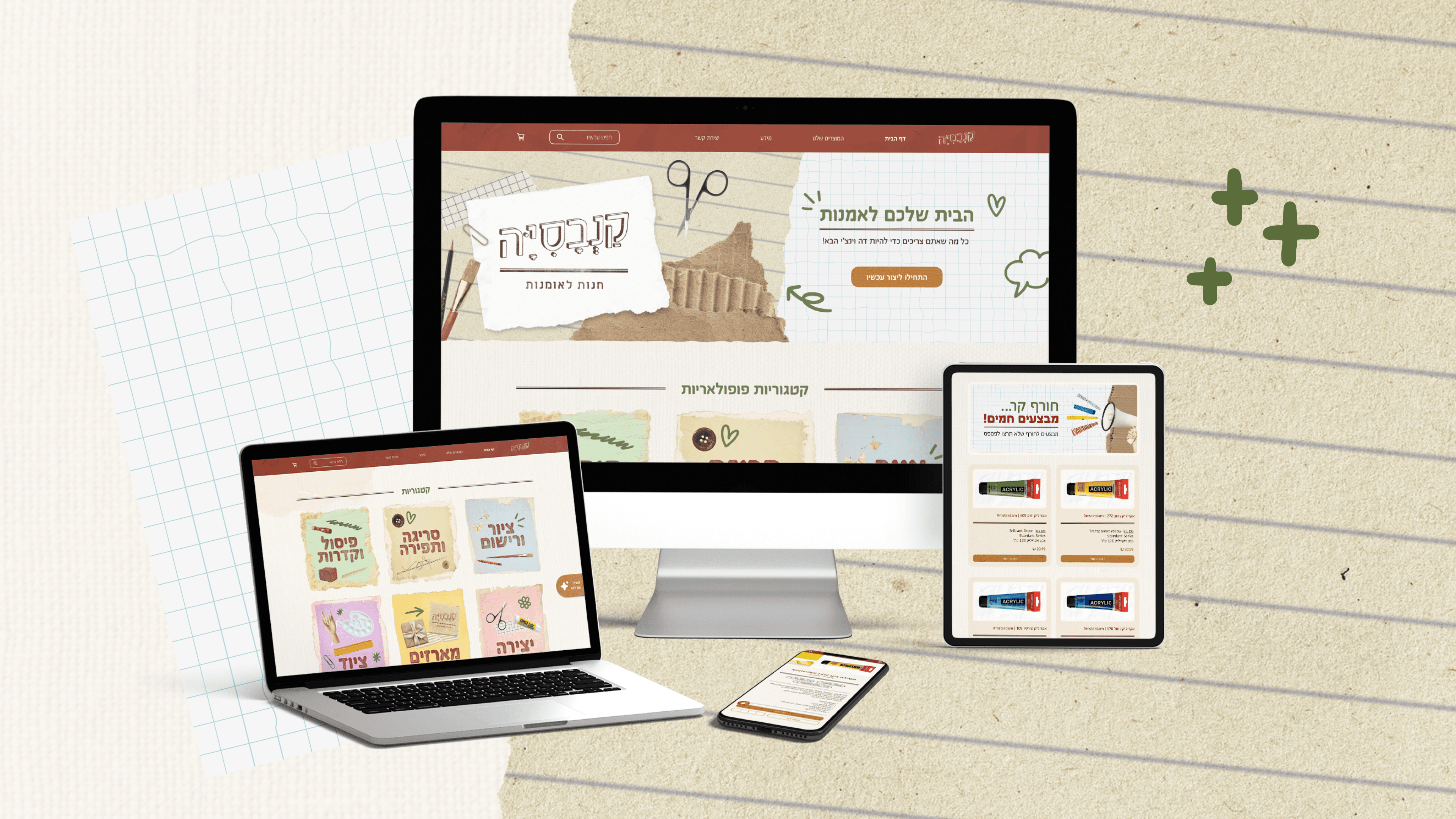
responsive e-commerce case study
Canvasiya.
Your Home for Art.
An intuitive, responsive e-commerce platform designed to bring the warmth of an intimate art gallery into the digital space. Built to serve everyone from beginners taking their first creative steps to professional artists sourcing premium materials.
project role
UX/UI Designer
CORE OBJECTIVE
Frictionless Shopping
Driven by user research & AI
Target Market
Art Enthusiasts
Professionals & Hobbyists
Skills Demonstrated:
E-Commerce UX
Responsive Design
AI Integration
User Research
Visual Identity
Prototyping
THE FRICTION
The Blank Canvas Anxiety.
Buying art supplies online is often overwhelming. Beginners don't know what tools they need, and professionals can't find the exact specifications required for their craft.
Lack of Knowledge & Experience
Beginners face a steep learning curve and struggle to match the right materials to their intended projects.
Insufficient Product Information
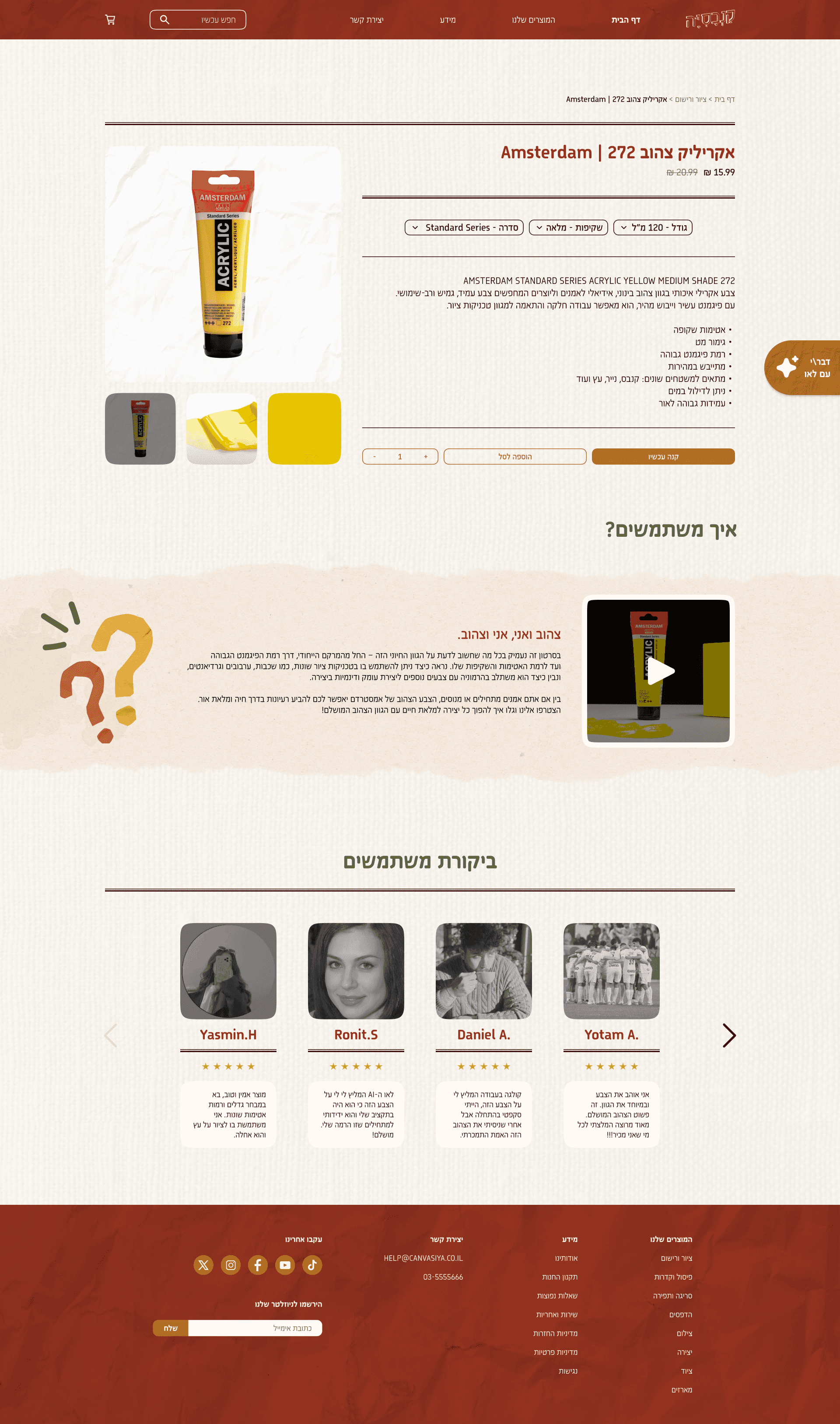
Professional artists abandon carts when product pages lack crucial technical details about pigments, materials, and durability.
Time-Consuming Experience
Shopping at physical art stores is time-consuming and inefficient for busy creators.
OVERWHELMING CHOICES
THE SOLUTION
Guiding the Creative Journey.
To solve the friction, I designed Canvasiya not just as a store, but as a digital guide. By bridging rich product data with AI assistance, users can shop with absolute confidence.
AI Assistant for Guided Shopping
An integrated Artificial Intelligence assistant that acts as a virtual shop clerk, helping beginners choose the right canvas, brushes, and paints for their specific project needs.
Highly Detailed Product Descriptions
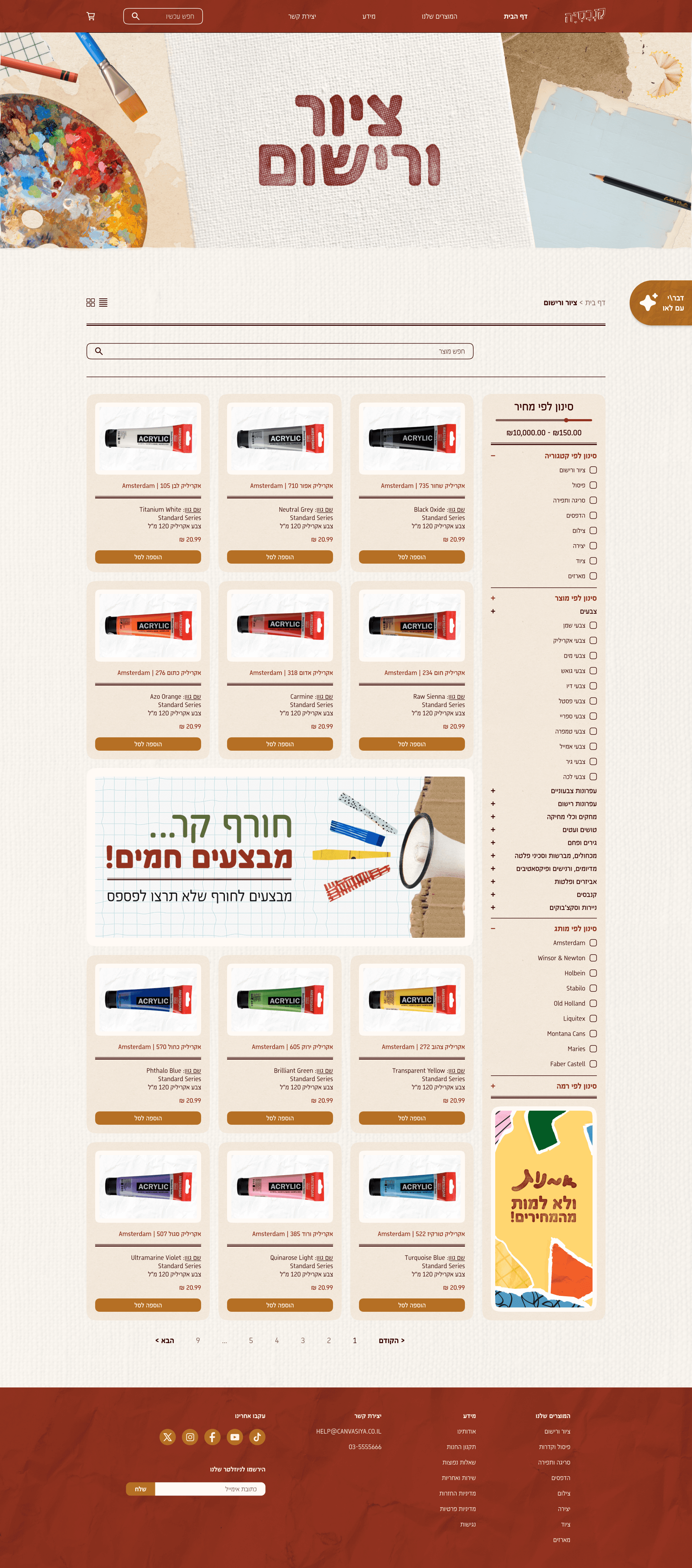
Redesigned Product Details Pages (PDP) providing rich, structured technical data. Transparency builds trust, specifically for professional artists seeking exact specifications.
Efficient & Fast Digital Store
A highly optimized, fully responsive e-commerce experience. "No wasted time leaving the house"
empowering artists to restock their studio from their phone or tablet.
UX RESEARCH
Usability & Personas.
Extensive user research revealed deep insights into artistic preferences, monthly expenses, and frustrations. This data guided the four core usability pillars of the platform.
Efficiency
Navigation is streamlined using an advanced search bar and robust filtering system, reducing unnecessary clicks to find specific materials.
Memorability
A consistent layout and persistent UI patterns ensure users can return after long absences and immediately know how to navigate the store.
An intuitive interface accompanied by a brief onboarding process guarantees a flat learning curve for new users.
Flexibility
Fully responsive architecture allowing the user to shop seamlessly from their desktop studio, tablet, or mobile phone.

Primary Persona
Emma Cohen
Occupation: Social Media Manager
Age: 24
Uses art as a vital tool for emotional self-expression and community connection.
Biography & Needs
Emma relies heavily on digital galleries to stay updated with modern art trends. She bridges her emotions with her community through her creations. She needs an online store that feels as inspiring and intuitive as a real-life gallery, without the friction of overwhelming choices or lack of product specifications.
THE INTERFACE
Responsive Ecosystem.
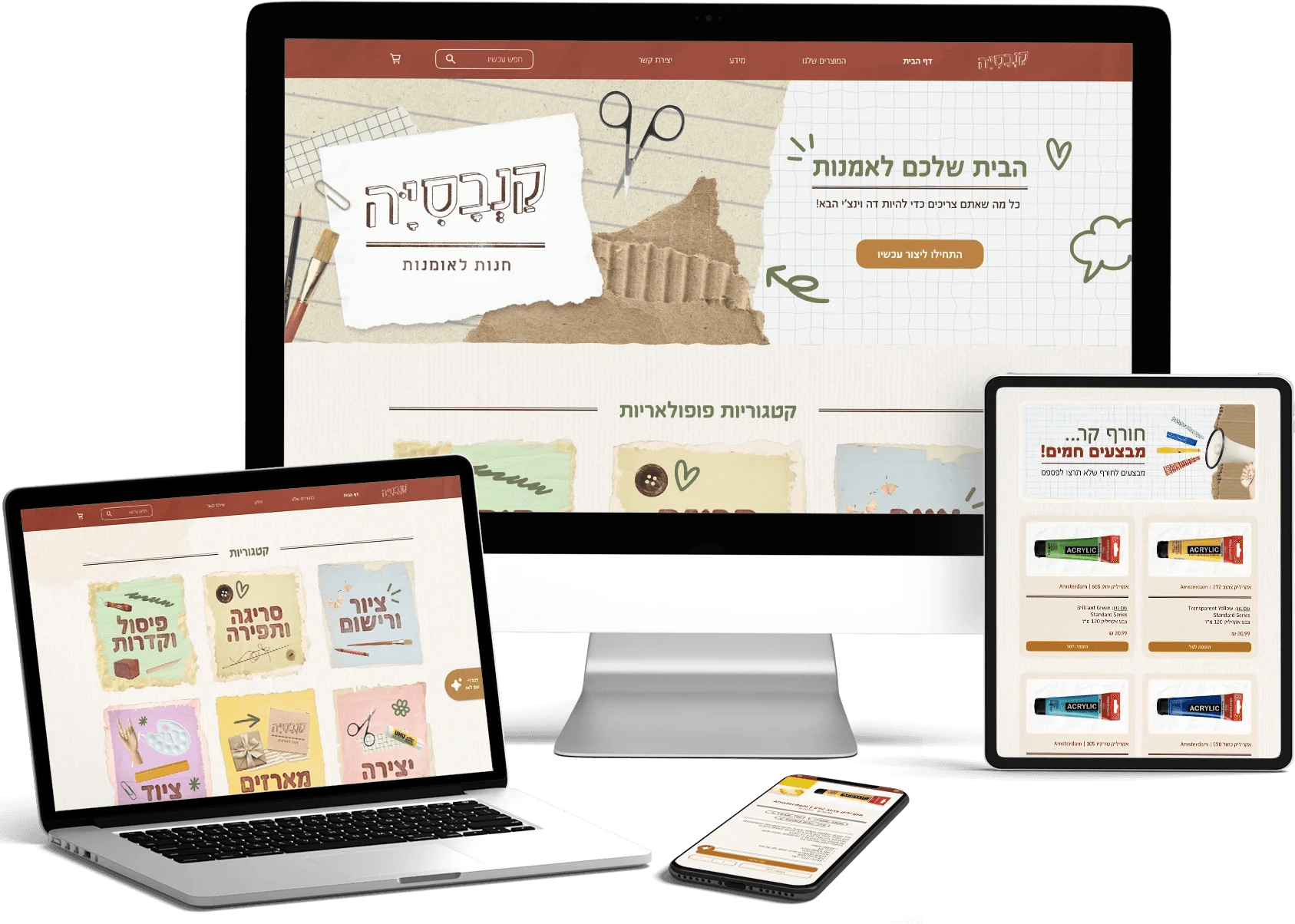
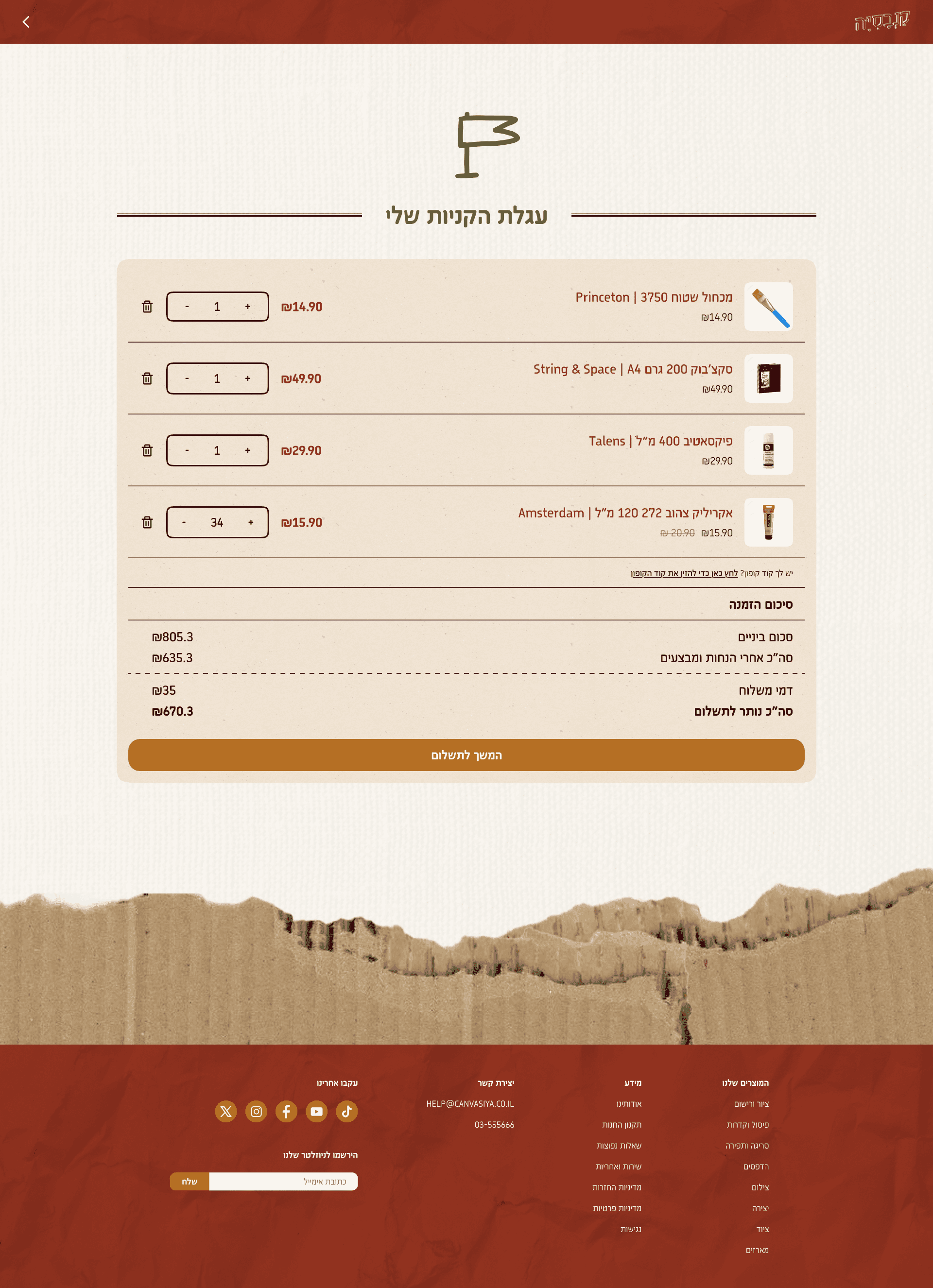
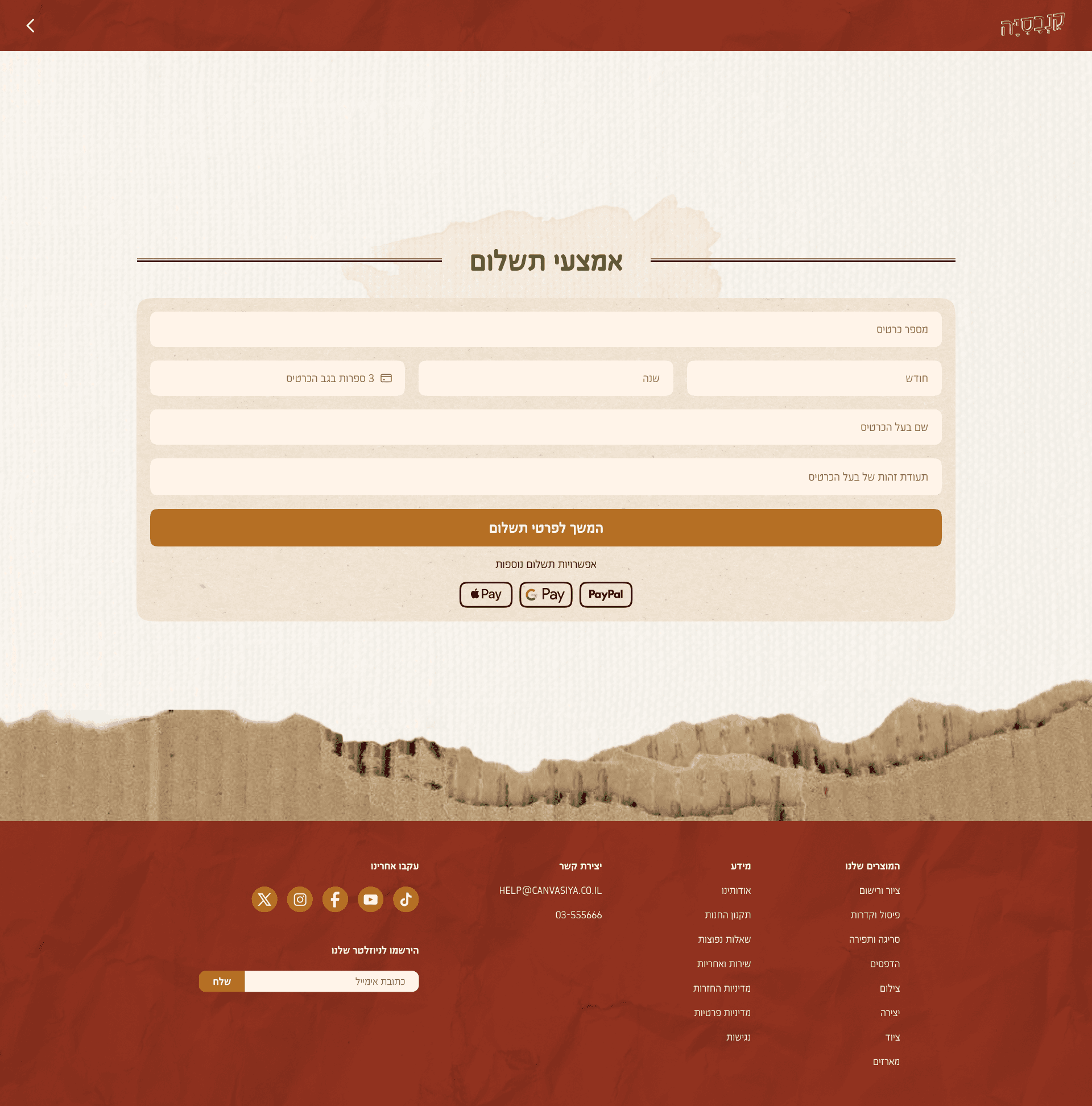
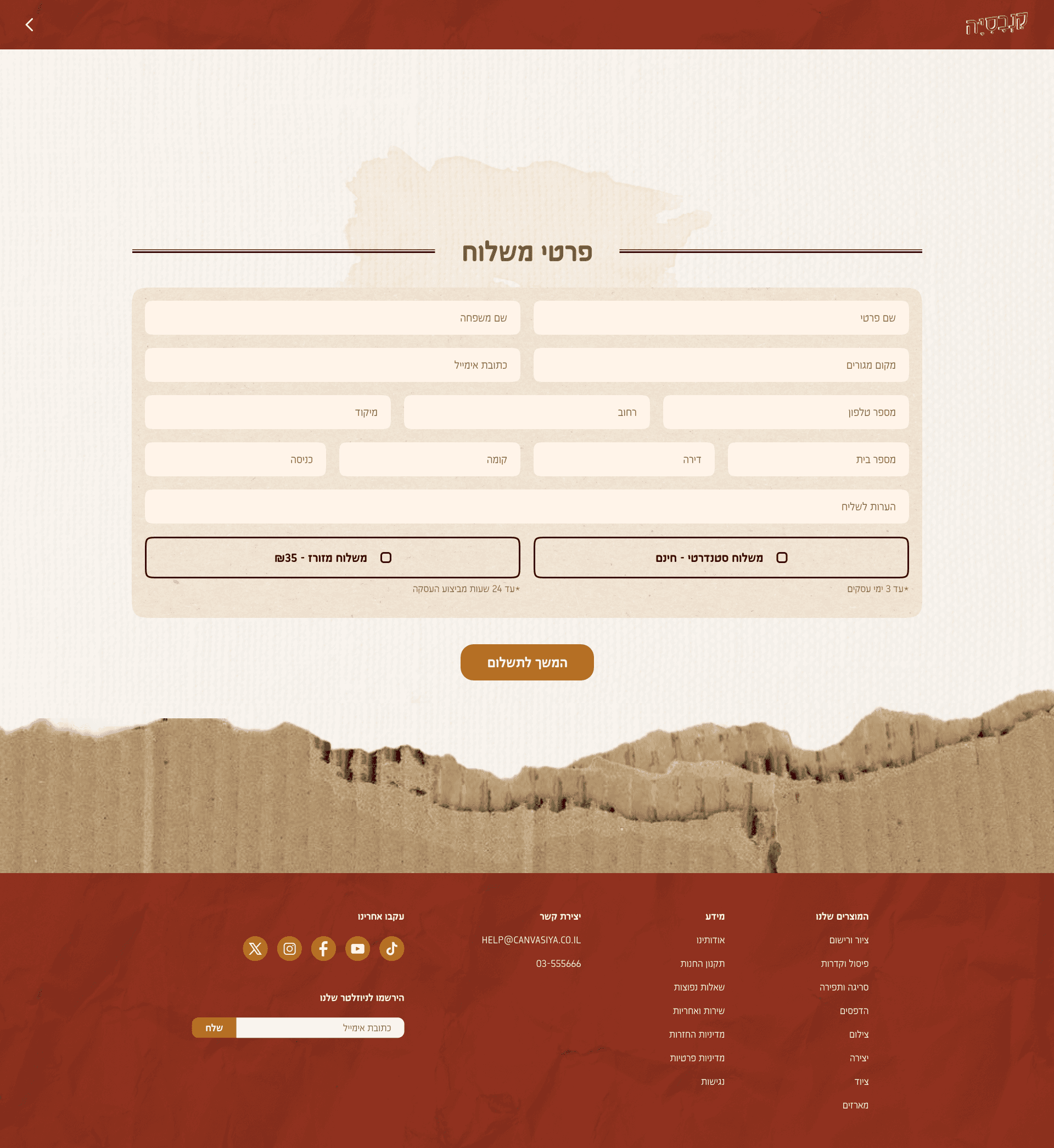
Translating the intimate gallery feel into a structured, responsive e-commerce experience. From structural wireframing to high-fidelity layouts across Desktop, Tablet, and Mobile.
Desktop
Built for immersive browsing. The expansive interface allows artists to explore rich product details, high-resolution textures, and complex filtering without feeling cluttered.


Tablet
Designed for portable inspiration. The tactile layout optimizes touch targets for seamless scrolling through categories and curated art supplies straight from the comfort of the studio.
Mobile
Crafted for on-the-go restocking. The streamlined mobile flow prioritizes quick searches, the AI assistant chat, and a frictionless checkout process for immediate purchases.

VISUAL IDENTITY
The visual language was meticulously crafted to reflect an intimate, warm, and inspiring art studio. The color palette draws directly from classic pigments, while the typography hierarchy ensures readability across complex e-commerce tables.
COLORS
Logo

TYPOGRAPHY
POST SCRIPT
Key Takeaways
Emotion Drives Conversion:
Translating the tactile, warm feeling of a physical art store into a digital interface proved that emotional design and conversion-driven UX patterns can coexist beautifully.
Contextualizing AI:
Framing the AI integration as a specialized "Virtual Shop Clerk" rather than a generic chatbot demonstrated how contextualizing technology significantly reduces user anxiety.
What I Would Change
Deeper AI Conversational Flows:
Given more time, I would map out complex edge cases for the AI assistant, particularly addressing highly specific queries from professional artists looking for niche materials.
Enhanced Community Features:
I would explore adding user-generated galleries or forums to foster community engagement and inspiration directly on the platform, rather than just functioning as a storefront.
The Result
An intuitive and accessible shopping experience, combining the convenience of modern e-commerce with the warm atmosphere of an art gallery.
HANDS ON EXPERIENCE
Ready for the deep dive?
This case study highlights the core strategy. View the complete wireframes, high-fidelity responsive mockups, and AI Assistant flows on Behance.